

Attendance at the Theatrical Performance “Testimony of a Stolen Adolescence” by Vanessa Springora
PRESS RELEASE
Attendance at the Theatrical Performance “Testimony of a Stolen Adolescence” by Vanessa Springora
Greek Art Theatre Karolos Koun – March 17, 2026
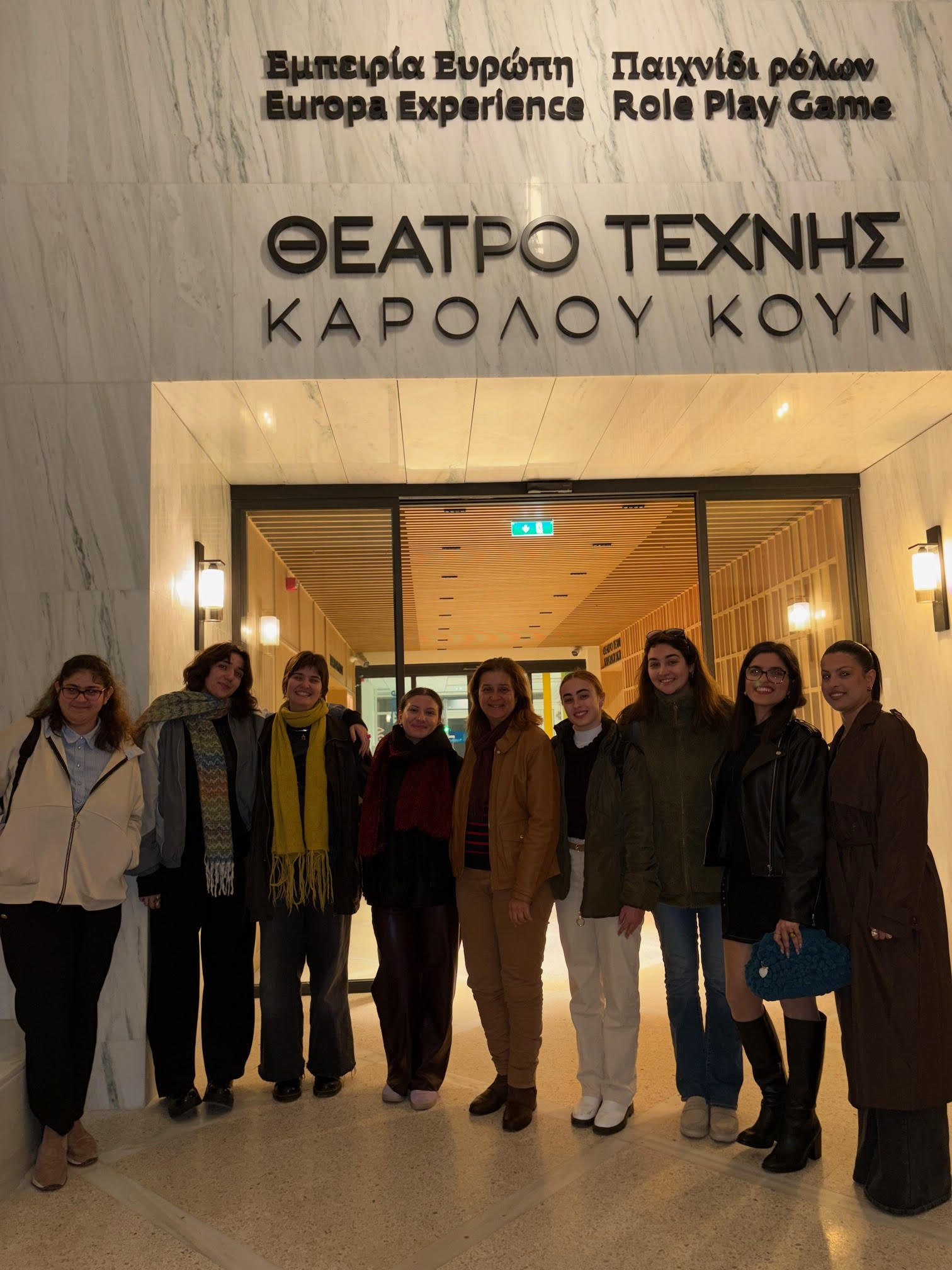
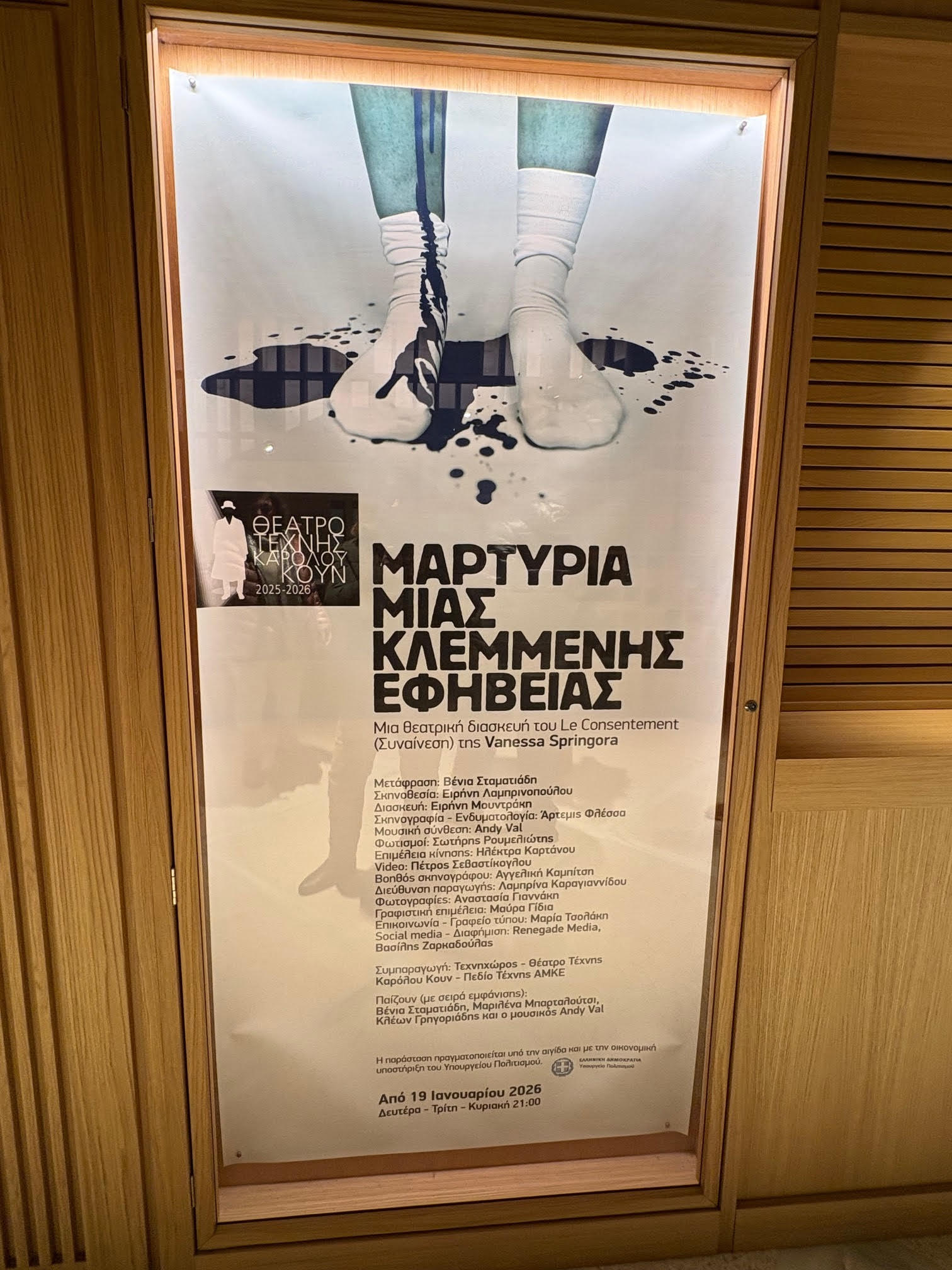
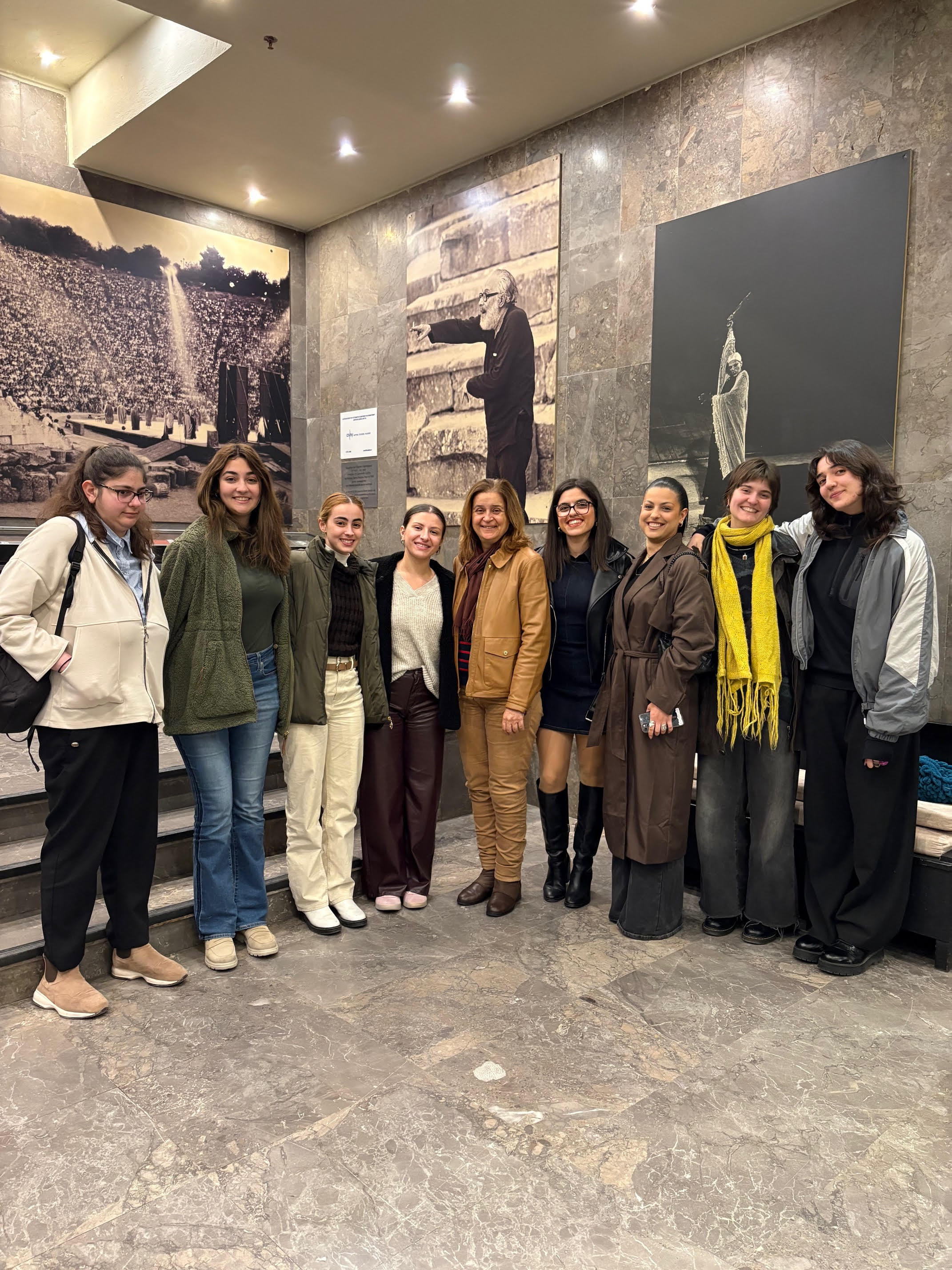
On Tuesday, March 17, 2026, Dr. Vasiliki Brinia, along with students of AUEB Teacher Education Program, attended the theatrical performance “Testimony of a Stolen Adolescence” by Vanessa Springora at Greek Art Theatre Karolos Koun.
The performance is a theatrical adaptation of the work Le Consentement and addresses issues of abuse of power, vulnerability, and the boundaries of consent, based on the author’s personal testimony. The work has been described a landmark text, as it reshaped public discourse around critical social issues and highlighted the complexity of relationships that are not equal.
This educational activity is part of experiential learning and the connection between teacher education and the art of theatre. The theatrical act, as a multidimensional pedagogical tool, substantially contributes to the development of emotional intelligence, empathy, and critical thinking among future educators.
According to international literature, the integration of the arts in education enhances emotional understanding and interpersonal sensitivity among learners (Goleman, 1995; Eisner, 2002). At the same time, theatre in particular functions as a space for reflection and social awareness, allowing students to approach complex social issues through experiential engagement (Boal, 1995).
This specific performance, by highlighting themes such as power inequality and social tolerance, stimulates dialogue around ethics, boundaries, and responsibility—issues that are especially critical for the contemporary educator. As also emphasized through the theatrical approach of the work, essential questions are raised regarding whether a relationship can be considered free when it is not equal.
This experience constituted a significant educational moment for the students, underscoring the contribution of art to the holistic development of future educators and to the cultivation of skills that go beyond the cognitive dimension of learning.
Bibliography
- Goleman, D. (1995). Emotional Intelligence. New York: Bantam Books.
- Eisner, E. W. (2002). The Arts and the Creation of Mind. Yale University Press.
- Boal, A. (1995). Theatre of the Oppressed. New York: Theatre Communications Group.
- Springora, V. (2020). Le Consentement. Paris: Grasset.
 76 Patission Str.